

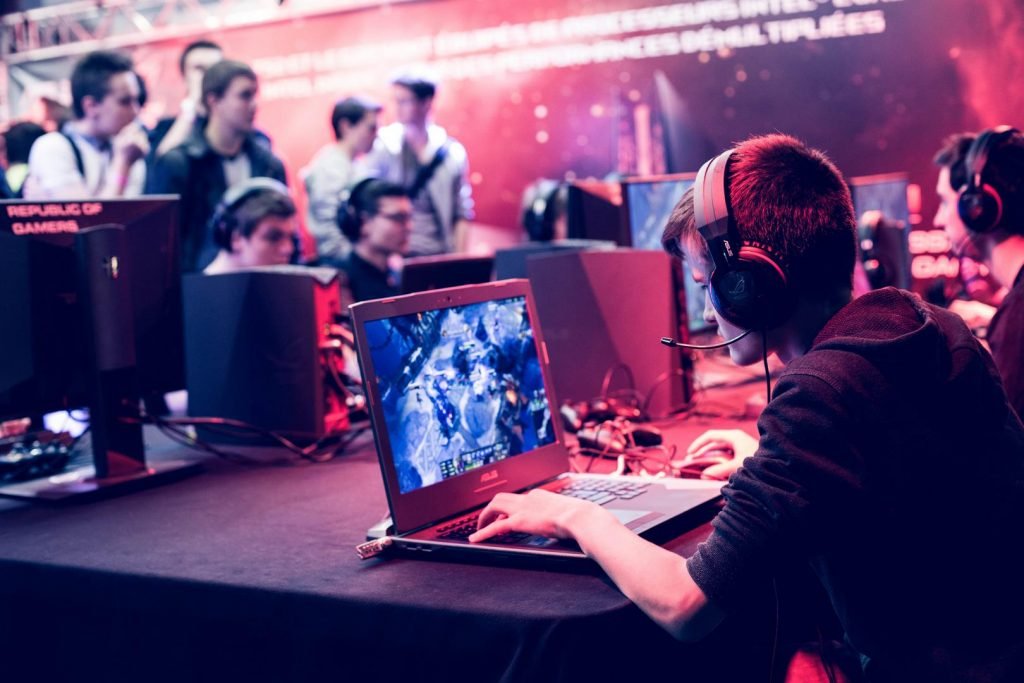
Now that the digital era is in full swing across the globe, the activities and pastimes that we categorise as competitive sports are beginning to look a little different to how they did two decades ago. Here in 2022, we’re starting to see exclusively digital activities like gaming ranking alongside more traditional sporting events, as demonstrated in this year’s Commonwealth Games in Birmingham.
It could even be said that eSports and mindsports are the competitive activities of the future. But what exactly is a mindsport and how do they differ from video gaming on a professional level?
What Are Mindsports?
In simple terms, mindsports are a group of gaming activities that test the cognitive abilities and mental discipline of participants. Much like sports such as athletics or weightlifting test the strength, stamina and power of athletes, games that are classed as mindsports test their mental agility, ability to make rapid-fire decisions, and short-term memory.
Way back in the analogue world, the original mindsports kept people all over the world entertained for centuries – we’re talking as far back as xiangqi (700AD) and chess (600CE). More recently, card games like poker have been added to the mindsports spectrum.
An easy way to categorise whether a game is a mindsport or not is to figure out if it’s a game of skill or chance. The outcome of any mindsport relies on being able to execute a winning strategy, even if you don’t have the best cards, pieces, or even the best track record.
What Are eSports?
eSports stands for electronic sports and the easiest way to think about them is as video games that can be played on an organised, competitive level. Unlike mindsports, which started out as “real-life” games, eSports are exclusively played in the digital realm and typically involve MOBA (multiplayer online battle arena), RTS (real-time strategy), and action-adventure games.
eSports are now so popular that they’re even outperforming traditional sporting events in terms of audience numbers. According to Newzoo, over 465 million people tuned into eSports tournaments in 2021, with 229.6 million of them watching events on a monthly basis.
Blurred Lines
While there may be some dissenting voices in both communities, the fact is that, as competitive gaming evolves, the lines between eSports and mindsports are quickly dissolving. Pro gamers no longer wish to specialise in one or the other, especially when you factor in the lucrative opportunities that are involved.
Take digital poker, for example. Several high-profile eSports players are choosing to play poker US and internationally in conjunction with their pro video gaming careers, which is not only exposing them to a much wider audience but is also giving them even further opportunities to compete on the world stage and earn a living.
Bertrand ‘ElkY’ Grospellier, Randy ‘Nanonoko’ Lew and Doug ’WCGRider’ Polk are just a handful of eSports gamers who’ve been able to develop second careers as professional poker players.
Furthermore, the benefits of playing classic mindsports like chess and poker can directly impact the performance of an eSports gamer. These traditional games have been around for centuries thanks in no small part to the strategic edge that they can give an accomplished player.
While the Mind Sports Olympiad, World Series of Poker, and The International are sticking to one electronic sport only for now, in future we could see multi-disciplinary digital gaming events that encompass the full spectrum.


