Introduction
This comparison article will thoroughly discuss the differences between ULED and QLED TVs. You can make an intelligent decision if you’re shopping for a new television by being aware of the critical considerations. We’ll look at important information, including the creators, the technologies used by each, the various screen sizes, picture quality, and cost.
You’ll have a greater awareness of ULED and QLED at the end of this article, enabling you to pick the TV that best satisfies your needs and preferences. Find out which technology best meets your viewing preferences by starting the comparison now!
What is ULED?
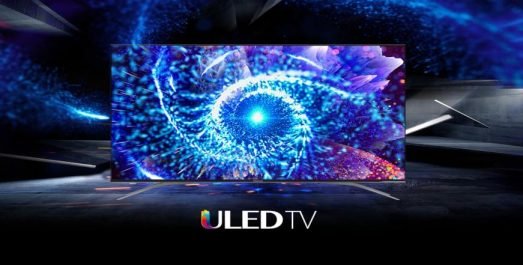
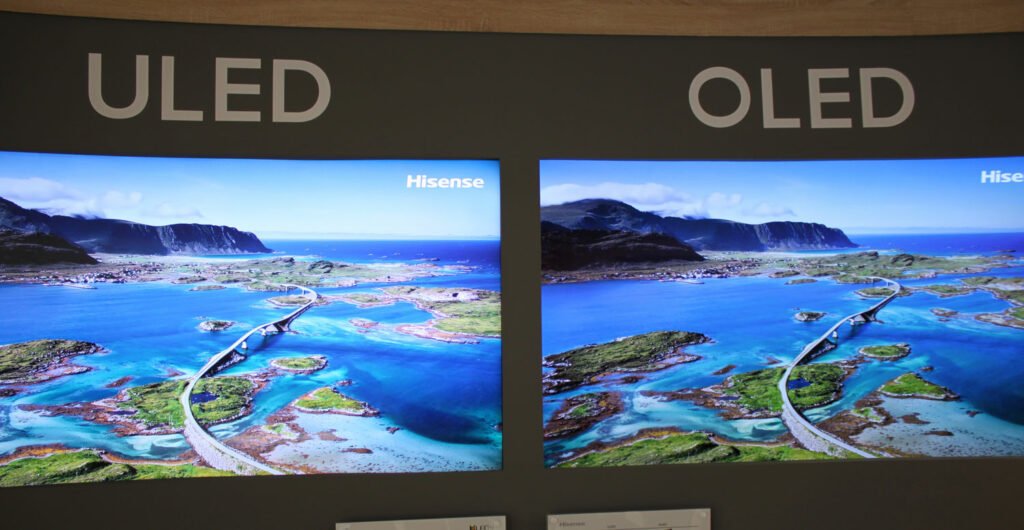
ULED, which stands for “Ultra LED,” is a proprietary display technology created by Chinese electronics maker Hisense. High-end LED/LCD televisions from Hisense employ ULED, which is promoted as having better image quality and overall performance.
The word “ULED” is not as well-known or standardized as certain other display technologies, such as OLED (Organic Light-Emitting Diode) or QLED (Quantum Dot LED), but it is crucial to mention. While ULED is exclusive to Hisense TVs, OLED and QLED are utilized by many manufacturers and offer significant technological advantages.
Important Features of ULED TV
What is QLED?
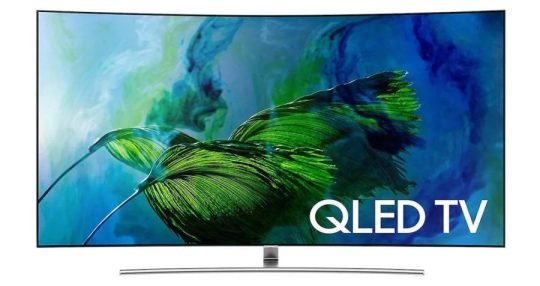
Samsung, one of the world’s top TV manufacturers, created and trademarked QLED, which stands for “Quantum Dot LED,” a display technology. Quantum dots are a sort of LED/LCD television used in QLED TVs to improve the experience on screen and picture quality. While QLED and OLED (Organic Light-Emitting Diode) TVs both provide exceptional image quality, it’s vital to remember that they use distinct technologies.
Utilizing organic compounds that release light when an electric current is supplied, OLED TVs provide perfect blacks and infinite contrast by enabling individual pixels to switch on and off independently. On the other hand, the development in LED/LCD technology, known as QLED, uses quantum dots to improve color and brightness performance. One of the most popular display technologies available was QLED, and Samsung was the leading company pushing and selling QLED TVs.
Important Features of QLED TV
Three Main Differences you Should Know about ULED and QLED
Here is the difference between ULED and QLED televisions
Technology
ULED
Hisense created ULED, which relies on modern technology to enhance picture quality. The precise features are not well known, but it offers good colors and overall performance.
QLED
Samsung developed QLED, which employs quantum dots to generate accurate and vivid colors. With the help of this technology, pictures seem appealing and lifelike.
Brightness and Contrast
ULED
ULED televisions from Hisense feature a high standard of brightness for bright rooms and some increase in contrast, although they may not be as bright and contrasty as QLED televisions.
QLED
Samsung QLED TVs are famous for their high brightness and good contrast, which enhances the vibrant color of the images and makes colors pop.
Gaming Experience
ULED
ULED TVs from Hisense provide a solid gaming experience with good speed of response, although they could be missing specific modern gaming capabilities.
QLED
Samsung QLED TVs are excellent for gamers since they frequently contain unique features like lower input lag and customizable refresh rates.
In summary, QLED TVs offer advanced technology for improved image quality and gaming features, while ULED TVs provide superb performance at lower prices. Your decision depends on your budget and the qualities you value most in a TV.
The Difference in Screen Size
QLED
The screen sizes of Samsung’s QLED TVs range widely, starting at 32 inches and to an impressive 98 inches. You, therefore, have a wide range of alternatives, whether you want a smaller TV for your bedroom or a large one for your living room or home theatre.
ULED
Hisense’s ULED TVs only come in a smaller range of screen sizes, from 50 to 75 inches. While many living rooms are perfect for these sizes, smaller spaces or those wanting huge TVs might not be as well-suited. In conclusion, Samsung’s QLED TVs have the edge if you want a TV with a variety of screen sizes.
The Difference in Resolution
ULED
The visual quality of ULED and QLED televisions is fantastic. The greatest resolution available on ULED TVs is 4K, comparable to the best films and television shows currently produced. This implies that a ULED TV will provide you with apparent and detailed images.
QLED
All QLED TVs have a minimum resolution of 4K; some models even offer an 8K resolution. An image with 8K resolution is even more notable but has a drawback. You won’t be able to use the TV’s capabilities to their full potential until more films and TV series are produced in 8K, which is now an extremely rare occurrence.
Which is Better?
A 4K ULED or QLED TV is a fantastic option if you want the highest resolution that precisely matches current media standards. It provides exceptional image quality and, for the time being, is a more sensible purchase. 8K content will become more common in the future, making 8K TVs more appealing. Still, for the majority of customers, a 4K TV is an excellent alternative without the additional cost of 8K technology.
The Difference in Price Range
ULED
Hisense ULED models range in price from $1500 to $5000, depending on the size. Hisense TVs are often less expensive. Around $2000 would buy a basic 65-inch ULED TV.
QLED
Price ranges for Samsung’s QLED TVs range from $1,000 to $12,000, offering a more comprehensive range of QLED models. More sizes are accessible from them. A 65-inch QLED TV, for instance, is over two times as expensive as a Hisense ULED TV of the same size, coming in at almost $5000.
In conclusion, get a Hisense ULED TV if you’re searching for a more affordable alternative with high image quality. Nevertheless, look at Samsung’s QLED TVs if you’d like more size options and are prepared to pay extra for upgraded features.
Which to Buy?
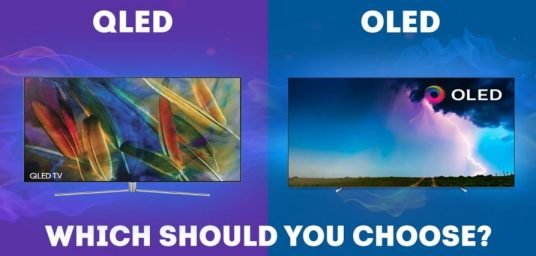
Here is an overview of both ULED and QLED TVs that will help you to buy:
Frequently Asked Questions
Q1: What is the main difference between ULED and QLED TVs?
Answer: The main difference lies in the technology used. Hisense develops ULED and uses advanced hardware and software enhancements, while QLED, created by Samsung, incorporates quantum dots for better color and picture quality.
Q2: Are ULED TVs more budget-friendly compared to QLED TVs?
Answer: Typically, ULED TVs are more affordable than QLED TVs. Hisense’s ULED TVs offer good performance at a lower price point.
Q3: Do QLED TVs provide better picture quality than ULED TVs?
Answer: Yes, QLED TVs generally offer better picture quality due to their quantum dot technology, which delivers vibrant colors, higher brightness, and superior contrast.
Q4: What screen sizes are available for ULED and QLED TVs?
Answer: ULED TVs from Hisense come in sizes ranging from 50 to 75 inches, while QLED TVs from Samsung offer a more comprehensive range, starting from 32 inches and going up to 98 inches.
Conclusion
Choose ULED if you want high image quality yet are on a tight price. It offers reasonable performance and is a cost-effective option. However, QLED is the method if you’re ready to spend extra and want the finest picture quality. It boasts stunning brightness, vivid colors, and excellent contrast for a premium viewing experience. Consider your tastes and budget to make the best choice for your TV purchase.