
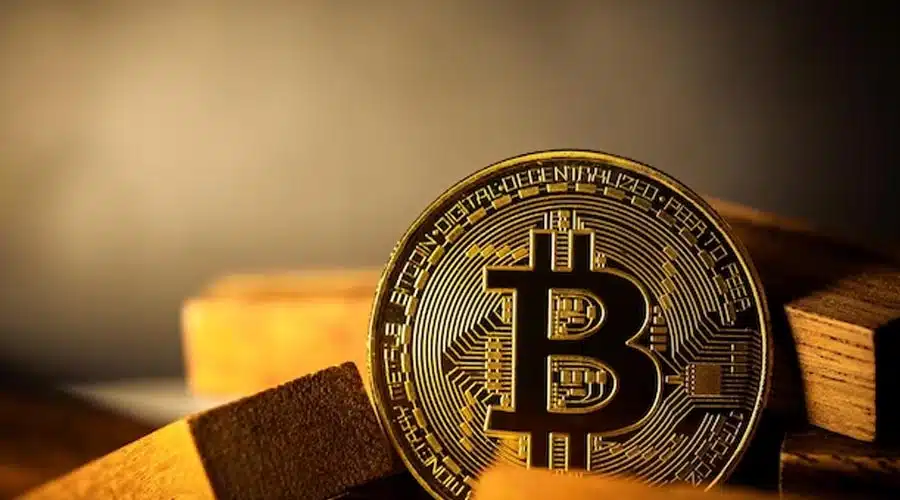
Bitcoin might not require an introduction, as most people on the planet are familiar with it. However, if you don’t know much about it, you need to know that Bitcoin is the first digital coin created on a decentralized platform that enables peer-to-peer transactions without being controlled by a third entity like a bank or the government. Bitcoin was launched in 2009 by an unknown person or group of people under the pseudonym of Satoshi Nakamoto.
Bitcoin is a decentralized digital coin that functions as a peer-to-peer electronic cash system. It was created to offer an alternative to fiat money by providing transparent, secure and borderless transactions without intermediaries getting involved. Bitcoin is the largest digital asset by market cap, so you will have plenty of platforms from where to buy Bitcoin. Also, the first virtual coin inspired plenty of other cryptocurrencies that appeared after.
Let’s learn more about this digital currency and how it went from being a concept to the cryptocurrency king.
Who created Bitcoin?
Satoshi Nakamoto is the founder of Bitcoin and has a crucial part in the Bitcoin ecosystem. He introduced Bitcoin in 2008 in its Whitepaper. He also built a community on a website called Bitcoin.org, where numerous people can offer new proposals and work on further improvements.
However, no one owns the network because Bitcoin is a decentralized platform where a worldwide supporting community makes the decisions. Over the years, people have offered some possible candidates who might be hiding behind the Satoshi Nakamoto pseudonym. However, his identity is still unknown.
The first one believed to be its creator was Dorian Nakamoto. The two people had vast similarities, including ties with Japan and libertarian leanings. Still, Dorian Nakamoto said that he has “nothing to do with it.”
Another possible candidate was Craig Wright, an Australian scientist who raised attention for his numerous contributions and qualifications. Nick Szabo is the third potential creator of Bitcoin, who was credited for offering the concept of smart contracts in 1996.
Still, no one can pinpoint exactly who Satoshi Nakamoto is, as the pseudonym probably is not his real name.
How does Bitcoin work?
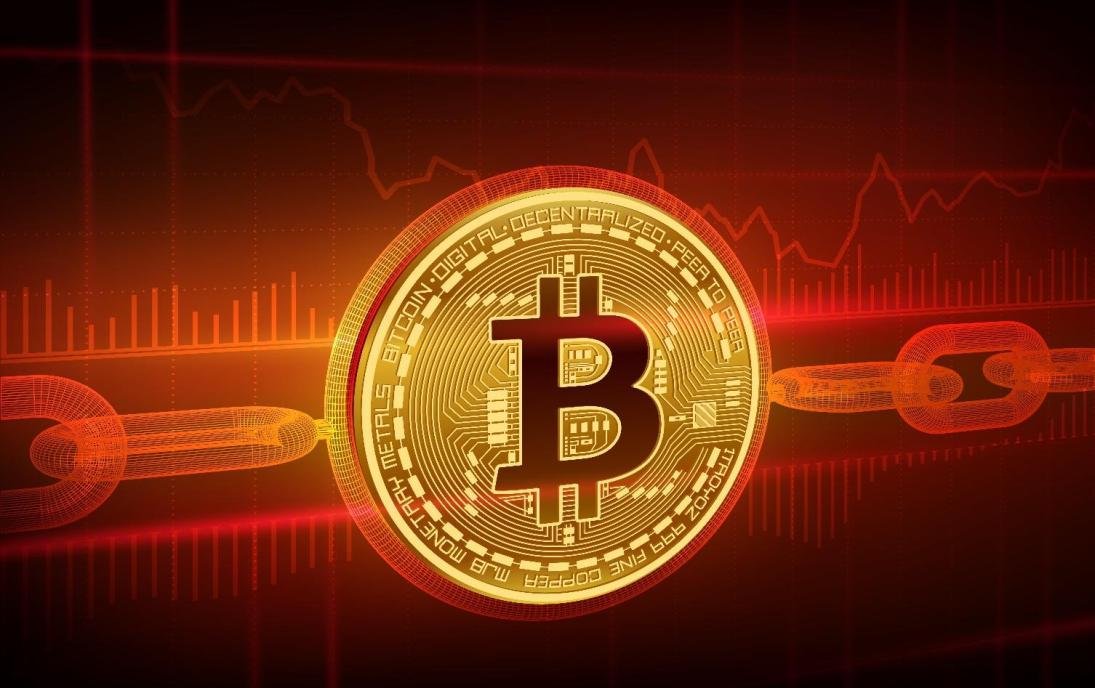
Bitcoin is created on blockchain technology, representing a digital ledger that comprises blocks that contain a list of transactions. So, instead of a single bank or a company controlling the platform, several computers worldwide work together to make the network function, and all these computers are called nodes. Also, nodes are the ones that verify transactions and ensure that they are authentic.
The verification of transactions is made in a process called mining, where people need to solve complex mathematical challenges to add a block to the blockchain. Mining is a process that requires a lot of computing power, and this is why it raised many concerns over the years because of all the energy it consumes. The one who solves the puzzle first is rewarded with new, freshly minted coins for their effort.
Bitcoin has a finite supply of 21 million Bitcoins. It was created with this feature to prevent inflation, and it also brings other advantages, such as the possibility of a value increase. This is because a limited edition can be more valuable, which also applies to Bitcoin.
What are the benefits of Bitcoin?
Bitcoin has many advantages, including:
- Decentralization: Bitcoin works on a decentralized network, free from the control of authorities and government.
- Security: Bitcoin operates on blockchain technology, which is highly secure and resistant to hacking and fraud.
- Transparency: The transactions made on Bitcoin are recorded on a public ledger, which provides better transparency and reduces the risk of corruption.
- Scarcity: Bitcoin has a limited supply of 21 million coins, which can preserve its value over time.
- Accessibility: Bitcoin can be used by anyone everywhere in the world with an internet connection, which helps bridge financial inclusion gaps.
- Global transactions: Those paying with Bitcoin will benefit from quicker international transactions and lower associated fees.
Is Bitcoin safe?
Although cryptocurrencies have some disadvantages, including volatility, Bitcoin payments are transparent and safe. Everyone who makes a transaction on the Bitcoin platform can see the transaction history whenever they want. However, checking the platform’s authenticity before transacting is very important to reduce the chances of crypto scams.
Also, those interested in Bitcoin payment must store their private key safely and backup them regularly. This will help in recovering access to the cryptocurrency wallet in case it gets stolen or lost.
Is Bitcoin legal?
The legal status of cryptocurrencies and Bitcoin varies from country to country. Some countries have regulated and embraced crypto, while others have taken a restrictive and cautious approach and even banned its use. Most countries like the U.S and Russia don’t have restrictions regarding Bitcoin payment. On the other hand, China banned crypto payments in 2021. The banking sector in China does not acknowledge crypto, and Bitcoin is not a legal tender.
In the U.S, Bitcoin is legal and is considered a convertible decentralized asset, being listed by the U.S. Treasury in 2013. Also, in South Korea, cryptocurrencies, including Bitcoin, are legal. However, crypto trading is restricted to outsiders as well as minors. So, only adults in South Korea can transact on registered exchanges.
The bottom line
The world has slowly moved away from paper money and metal coins. This happened because people needed something to solve the issues associated with fiat money, which is exactly why Bitcoin appeared. Cryptocurrencies have an increased value and are expected to become the future form of cash. Although high volatility characterizes them, they offer plenty of advantages over traditional money. Still, because they lack regulations in many countries around the world, cryptocurrencies need to go on a long path before they reach mainstream adoption.
In the future, digital assets, including Bitcoin, will surely increase their potential and offer new features to respond to people’s needs. So, no one can stop Bitcoin from offering something original in the new era of finance, especially if it receives approval to be a valid currency from regulatory authorities.




![The Best Games of 2022 on PC, PS5, Xbox, and Nintendo Switch (UPDATED) [%currentmonth% %currentyear%] - Qnnit](https://qnnit.com/wp-content/uploads/2022/06/81d64929-2022-release-dates.webp)
